THE WEST HIGHLAND WAY:
A GUIDE TO DOING IT WITH YOUNG CHILDREN
jump to section
what is the west highland way?
the west highland way was scotland’s first official long distance hike, established in the 1980s. it welcomes around 45,000 people every year from across the world of all ages & abilities. the trail is known best for its incredible scenery & the community formed amongst hikers.
distance
the trail covers 96 mile / 154km from milngavie, just outside glasgow, to fort william at the base of ben nevis.
accommodation
camping, wild camping, b&bs, hotels, hostels or inns are all available options for the night. due to the popularity of this hike it is advise to book well in advance, in some cases up to a year, to secure your preferred accommodation type & dates.
route options
the most popular duration choice to hike the west highland way is between 5 - 7 days. baggage transfers are available to reduce your pack weight & allow a quicker or more leisurely hike, depending on what you're after. the route can be done in sections to suit your timescale / abilities or as one full continuous hike.
why do the west highland way with a young child?
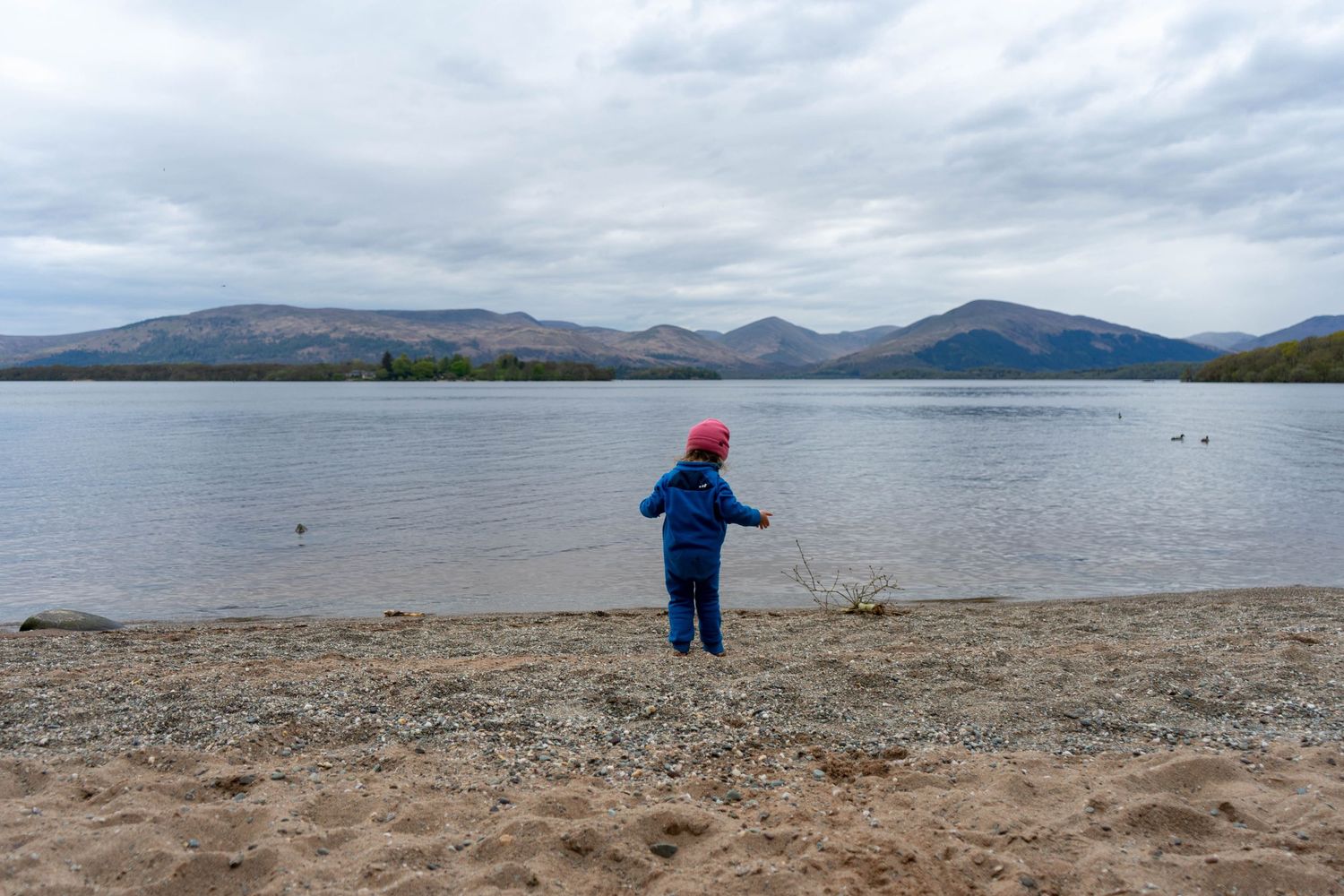
the west highland way is an incredible opportunity for families to create life long memories & while encouraging children to test their abilities. the various different landscapes, from rolling hills, moorlands & country paths, all provide an environment which allows children to experience different types of nature which they may not come across often.
the trail is extremely well marked & maintained throughout the 96 miles. it also has a choice of various accommodations from camping to hotels to hostels, making it accessible for families, their budgets & their ability levels. the trail can be done in sections over different time periods or as one continuous hike making it flexible on holidays, age or confidence levels.
SECTION ONE: PLANNING & PREPPING
researching the west highland way
the west highland way official website
the official website provides all the information possible to plan & research your hike. it has sections for; planning routes, accommodation options, trail information, baggage transfers, shops & passport points.
walkhighlands
walkhighlands provides in depth route descriptions, maps & user reviews of each section of the west highland way. lists of accommodation, services & package walk deals all listed here too.
facebook groups - whw tips & tricks / whw
facebook has groups which are dedicated to the west highland way are great for planning & researching. they provide advice, tips, support & photos from hikers & locals. these pages share invaluable insight & often have specific advice from fellow parents which may help.
guidebooks
'west highland way: trailblazer british walking guide' & 'trekking the west highland way guidebook' are practical guide books which provide comprehensive information, advice & tips about the west highland way. detailed maps, suggested itineraries, historical information, places to stay & things to see along the way can be found in both books.
choosing the right time of year to go
each season has their pros & cons for hiking, so you want to pick the right month that will suit & work best for your & your child.
why does the time of year matter for young children?
weather
severe weather conditions such as heavy rain, strong winds, snow or heatwaves can pose safety risks to young children when out hiking. bad weather can make the hike uncomfortable & possibly lead to hypothermia, whereas hot & overly sunny days could possibly lead to heat exhaustion, sunstroke or dehydration. fog, rain & snow can reduce visibility which could make staying on trail & enjoying the scenery harder.
trail conditions
wet, muddy or icy conditions can make trails slippery, difficult to navigate or impassible, especially for little legs.
availability
summer is peak hiking season due to better weather, holidays & the long daylight hours. accommodation bookings need to be done well in advance & the trail will be extremely popular, which could be overwhelming for young children. spring & autumn have a better balance between good weather, better trail conditions, more accommodation choices & quieter trails which may suit families better. the downside to these seasons is the uncertainty with weather & trail conditions.
planning a suitable route for you & your child
to have a successful hike on the west highland way with young children it’s essential to plan an itinerary that allows for short distances, rest days & flexibility.
short daily distances
try keep the daily milage low & manageable for young children as they have less stamina than adults so longer distances may be more challenging for them. keeping it shorter means the likelihood of injury, a negative experience & over tiredness from hiking will be lower.
- try plan for around 5-10 miles per day & include plenty of breaks.
- use a child carrier (age dependant) for when they get tired & need a rest.
- play games, sing songs, tell stories or observe surrounding nature to keep them occupied & motivated.
rest days
depending on prior experience & training, including rest days into your itinerary can be beneficial. hiking everyday can be tiring on young children if they're not accustomed to it & on the adult carrying the bulk of the weight. resting can allow legs to recover, prevent burnout & keep motivation high.
- use rest days to do washing, restock your supplies & to let your body recover.
- try having an active rest day by visiting a local site of interest or playgrounds & parks.
flexibility
children's energy levels & moods can be unpredictable, so being flexible allows you to adjust your itinerary to accommodate their needs as required.
- carry extra snacks, treats, water & any comfort item that will help soothe, encourage & energise.
- listen to your child & be prepared to stop early, take more breaks or change plans if they need.
- have a plan b should you need to stop early or add in another rest day. there are bus, train & taxi options all along the rout should you need to get to your accommodation stop for the night.
should we camp or stay in accommodation?
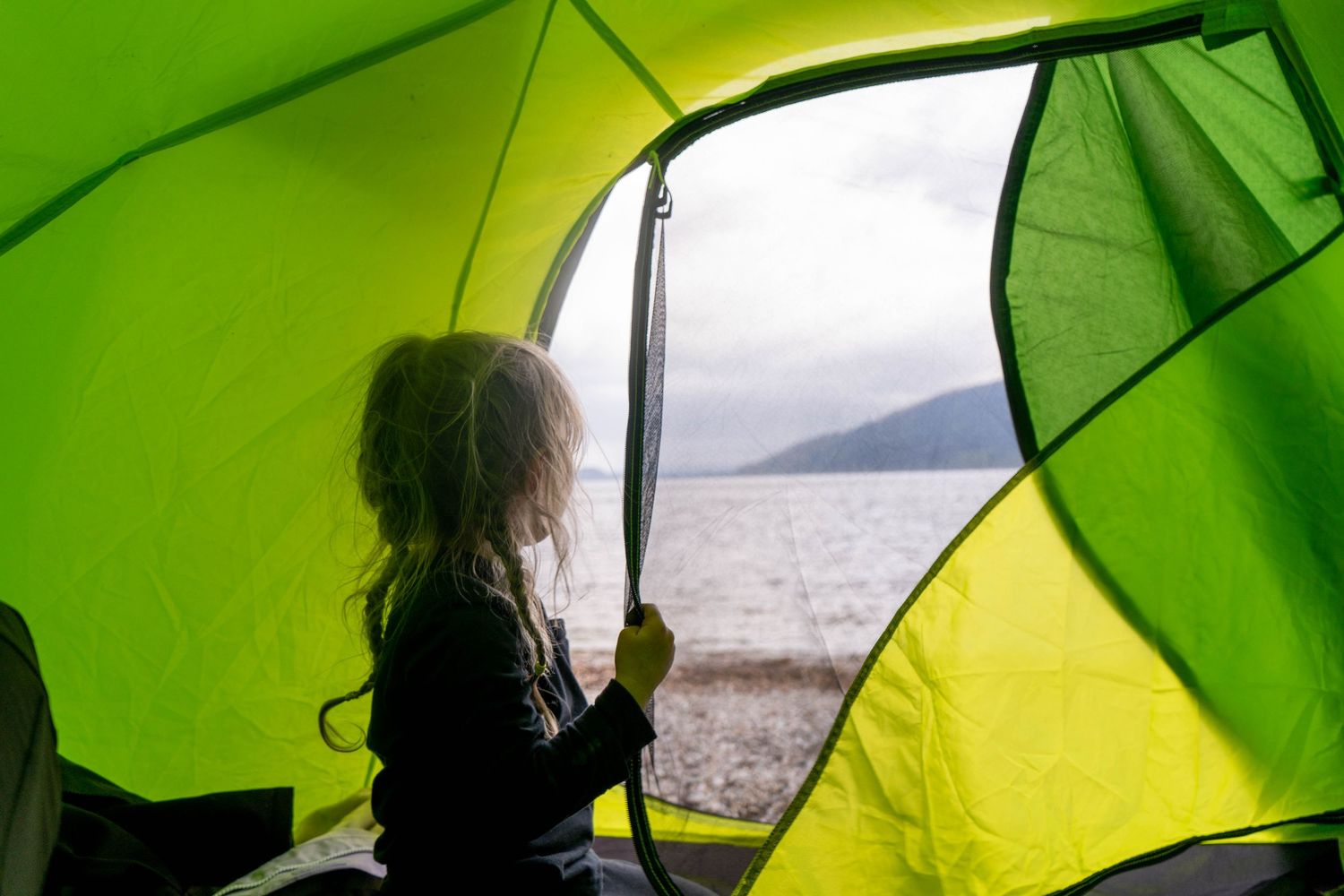
choosing wether you camp or stay in accommodation on the west highland way with your young child will depend on your family's preferences, budget & trail experience. camping allows for more flexibility at a low cost but requires more preparation & some prior experience whereas staying in accommodations provides comfort & convenience but at a higher cost & with less flexibility.
training with your child for the west highland way
consistency hiking with your child over different terrains, hike lengths & with weight will help you both be ready for your west highland way adventure. preparing & training before hand will ensure you both know what to expect on a longer trail & make it more achievable.
pick fun & engaging hikes
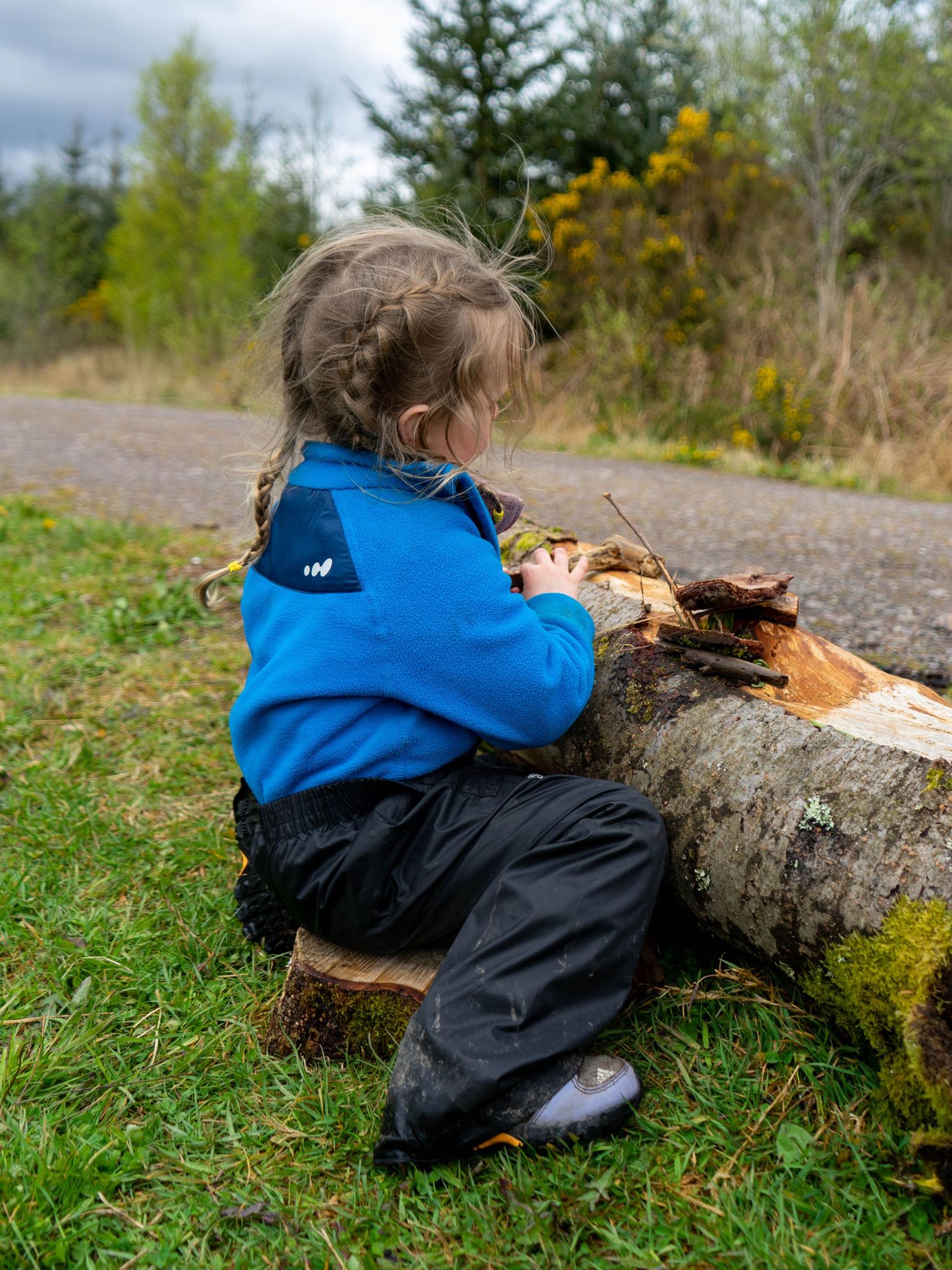
pick trails with something interesting for your child that they'll experience on the west highland way; streams, rocks or tree roots to climb. this keeps the hike fun & engaging for your child, while encouraging their problem solving skills.
take regular breaks
having frequent breaks for snacks, water & rest gets you both used to the act of actually stopping. this will help keep your child happy & rested while helping give your body a break from the weighted backpack.
let your child hike with a backpack
letting your child carry a small, lightweight backpack on hikes will get them used to carrying their own gear & get used to the extra weight, even if the bag just has snacks or water inside.
train with weighted hikes
gradually add weight to your own backpack over multiple hikes until you reach the actual load weight you'll carry on the west highland way. this prepares your body & mind for the actual hike by getting used to the weight & distribution of the backpack.
gradually increase the hike length
gradually increase the length & difficulty of your hikes together to help build your child's stamina & endurance for longer hikes without overdoing it at once.
stay consistent
keeping regular hikes leading up to your trip will allow your child to get used to the physical demands of long distance hiking & lets them find a rhythm they're comfortable with. this will help keep fitness levels up for both you & your child.
SECTION TWO: GEAR & PACKING
what will my child need for the west highland way?
depending on the length of your itinerary & the age of your child the amount of things you'll need to take will vary. younger children may get colder than older children so they may need warmer options & more spares. a rough idea of what you may need is;
clothing
- base layers
- mid layers
- outer layers
- socks & underwear
- pyjamas
- footwear
- hat, gloves & buff
gear
- child carrier
- hiking poles
- water bottle
camping
- sleeping bag
- sleeping mat
- sleeping liner
- pillow
for more in depth gear lists, you can view my full breakdown of our west highland way gear list here, or our affric kintail way gear list here, or view my wild camping with kids gear checklist here
how do you avoid over packing & staying lightweight with a young child in tow?
this section is assuming you're carrying all your gear & not using baggage transfers.
staying as lightweight as possible & not overpacking is crucial to a successful long distance hike. keeping your bag weight down & to essentials only will reduce any physical strain & fatigue on your body, which should allow your hike to be more comfortable & efficient. hiking at a young child's pace while having an over packed, heavy backpack will soon take it's toll & reduce enjoyment levels.
make a detailed packing list
packing lists allow you to bring all the essential clothing & gear without forgetting anything or accidentally overpacking. taking time beforehand to write a packing list & adding to it as you remember will take away any last minute stress packing & help your organisation.
weigh your gear
if you're carrying for both you & your child, you want to have your backpack as light as possible to reduce any strain on your body. ideally between 20-25% of your bodyweight is the weight you want to aim for, however, when you're carrying for a child too you will go over this unless you have invested in very lightweight & compact gear. if your child is old enough & used to carrying some gear, try putting lighter items into their bag to share some load.
minimise toys & entertainment
if you must take something for your child, bring small & lightweight items that can double as a comfort item, like a teddy. nature is an incredible source of entertainment & your child will likely entertain themselves playing here instead.
plan for laundry
planning to wash your clothes along the route will allow you to pack fewer items & reduce your pack weight. most facilities have an option to purchase washing liquid so you don't need to pack it.
pack layering clothing
having quick drying, moisture wicking clothing that can be layered will allow your body to regulate it's temperature better & minimise the need for heavy, bulky items to be packed.
limit footwear
avoid bringing multiple pairs of shoes as these are bulky & heavy, instead opt for one pair of broken in, comfortable shoes you're used to wearing. if you must have a second pair, opt for comfortable sandals for end of day wearing.
repack & remove
after you're all packed go through your backpack & remove everything. check every item is really needed or if there's a lighter, smaller or different alternative to bring instead. be brutal with this, 'just in case' items are usually never needed.
key packing tips
weight distribution
evenly distributed weight in your backpack is important as it will prevent strain on your back & shoulders. it will also help steady your balance & maintain stability on uneven or tricky terrains.
- lightest items, like your sleeping bag & mats, go at the bottom of your bag
- heavier items, like your tent or cooking gear, should go in the middle as close to the back of your backpack
- most used items, like waterproofs or food, should go towards the top of the bag for easy access
- everything else can be slotted in gaps to fill out the bag
accessibility
keeping your most used items within easy reach in your bag as it saves time & effort, reducing the amount of stops to unpack you take. this is especially useful with young child who will want snacks & water more often.
- keep snacks & other quick access items, like your phone, in the hip pockets
- use the bag brain for items like suncream, sun hats, first aid & small child carriers
weather preparedness
scotland is infamous for it's unpredictable weather & all 4 seasons in a day should be expected. expecting this & being prepared for the various conditions allows you to keep both you & your child dry, warm, comfortable & safe.
- use a layering system that works for you. a base layer, mid layer & outer layer
- have good quality, tested waterproofs with you for you & your child. keep these in an easy accessible place like the bag brain for quick, unexpected weather changes
- bring hats, gloves & extra socks to stay warm. hand warmers also pack small & can come in handy for children who get colder quickly
- pack your bag using dry bags to ensure everything stays dry & protected in case your rain cover fails
lightweight packing
keep your backpack weight as manageable as possible by reducing the amount of unneeded gear packed. this will decrease the chances of injury & fatigue.
- plan meal & food stops to avoid carrying excess food & weight. use water taps, waterfalls or streams to fill water bottles & lessen the need to carry large amounts of water
SECTION THREE: ON THE TRAIL
establishing a daily routine for you & your child
while doing the west highland way with a young child, it is super important to establish a basic but flexible daily routine from day 1. this will help both you & your child know what to expect each day, which in turn, should help reduce any trail anxiety & uncertainty.
daily routines while doing long distance hikes help in managing time effectively, ensuring that you reach your destinations, whether it's a campsite or hotel, with enough time to set up & relax. having your time managed effectively by a routine also reduces your risks of being caught out in darkness as you've allowed time for proper breaks & any stops. being flexible with this allows for adjustments based on weather, trail conditions & your child’s needs.
EXAMPLE
morning
try to start your day with a consistent wake up, breakfast & pack up time. eg wake at 7:30, breakfast by 8, packed & ready to go by 9:30
afternoon
try find a scenic spot for a longer break around midday, 1pm. use this time for lunch, any day adjustments & for a good playtime. aim to be at your destination around 5 to allow enough time to set up & relax before dinner
evening
try to have dinner around 6, followed by some downtime to allow your child to relax before bed. aim for bedtime around their normal time so your child can have enough rest & keep a normal sleep schedule
frequent breaks
try plan for a break every 1-2 hours or every 1-2 miles to allow your child to rest, have a snack & play
balancing hiking with playtime
doing a long distance hike with a young child has to be a balance between hiking & playtime to make it enjoyable for them. children have shorter attention spans & lower stamina than adults so regular breaks & playtime will keep them engaged, happy & rested.
playtime
encourage playtime into your child's breaks. let them explore the surroundings, within reason; collect rocks, play with sticks or play in any sand or mud
scenic breaks
try choosing a break spot that is interesting for your child. by a stream, by beaches, near a viewpoint or a grassy area where they can run around safely
interactive hiking
if stopping isn't possible or you feel it's too close in time from the last stop, try keeping your child engaged while hiking with songs, stories or games to keep them entertained & motivated until the next point
food & water
packing enough food & water & knowing where you can stop for more is essential to your part of your safety & wellbeing on the west highland way.
food
plan for 3 main meals & multiple snacks per day. snacks are important for keeping energy levels up between meals, especially for children who are burning more energy & calories running about.
- breakfast - opt for high energy foods like oatmeal, porridge or granola bars
- lunch - pack easy items like sandwiches, wraps & fruit
- dinner - if camping, bring dehydrated meals, pastas or rice dishes that are easy & quick
- snacks - have a mix of foods like nuts, fruit, energy bars & crackers
- bring more food than you think you’ll need as a back up for unexpected delays or for increased hunger due to activity.
- choose foods that you know your child likes & are familiar with to ensure they will eat.
- bring non perishable, lightweight foods that don’t require refrigeration
- carry less food if you plan to eat at accommodations or nearby restaurants so you can focus on snacks & lunch items
water
there is plenty water sources along the route, from streams to public taps to waterfalls to honesty boxes that sell bottled water. topping up whenever you pass a source is a good way to ensure you are always prepared & will not run out between refills.
- bring a reliable water filtration system or purification tables for emergencies
- refill at accommodations, restaurants or taps whenever you are passing
- keep hydrating even when you're not thirsty
food & water on route
milngavie to drymen
restaurant / bar / cafes
- beach tree inn
- turnip the beet
- drymen bakery
- the clachan inn
- alfie & co country coffee
shops
- drymen village spar
- dryman campsite
- honesty box at altquhur byre
water
- scottish water tap at start point
- water tap at carbeth cottages
- beach tree inn
- honesty box at gartness
- drymen camping
drymen to rowardennan
restaurant / bar / cafes
- oak tree inn
- st mocha coffee shop
- the clansman bar
shops
- balmaha village shop
- cashel campsite
water
- scottish water tap balmaha
- cashel campsite
- sallochy campsite
- the clansman bar
rowardennan to inverarnan
restaurant / bar / cafes
- the clansman bar
- inversnaid hotel
- inversnaid bunkhouse
- the stagger inn
- the drovers inn
shops
- rowardennan lodge youth hostel
- bens bakes honesty box
- beinglas farm shop
water
- the clansmar bar
- rowardennan lodge youth hostel
- scottish water tap at ben lomond carpark
- inversnaid hotel
- beinglas farm
inverarnan to tyndrum
restaurant / bar / cafes
- the rod & reel (off route)
- crianlarich hotel (off route)
- the station tea room (off route)
- the real food cafe
- the tyndrum inn
shops
- londis village shop (off route)
- tyndrum holiday park
- the green welly
- brodies mini market
water
- strathfillan wigwams
- tyndrum holiday park
- the real food cafe
tyndrum to inveroran
restaurant / bar / cafes
- bridge of orchy hotel
- inveroran hotel
shops
- inveroran hotel shop
water
- bridge of orchy hotel
- inveroran hotel
inveroran to kingshouse
restaurant / bar / cafes
- glencoe mountain resort
- kingshouse hotel restaurant
- the way inn
shops
- glencoe mountain resort
water
- glencoe mountain resort
- kingshouse hotel
kingshouse to kinlochleven
restaurant / bar / cafes
- the tailrace inn
- rice & chips
- highland getaway inn
- leven bites
shops
- kinlochleven village coop
water
- scottish water tap kinlochleven
kinlochleven to fort william
restaurant / bar / cafes
- glen nevis kitchen
- the crofter
- weatherspoons
- black isle bar
shops
- glen nevis campsite
water
- glen nevis campsite